

5083 Aluminum Plate For Ship Deck
As the core exposed load-bearing structure of a ship, the deck faces complex working conditions such as seawater erosion, salt spray corrosion, alternating loads, and alternating high and low temperatures. Simultaneously, it must meet the industry's stringent requirements for anti-slip properties, pressure resistance, fatigue resistance, and minimal maintenance. Compared to ordinary marine aluminum materials, ship deck materials have higher standards for corrosion resistance, structural stability, and mechanical toughness. Among mainstream marine alloy systems, 5083-H116 aluminum plate, with its balanced and top-tier comprehensive performance, has become the designated core material for the decks of large merchant ships, engineering vessels, and offshore platforms. It is also currently the most widely used deck-specific aluminum alloy plate in the global shipbuilding industry.
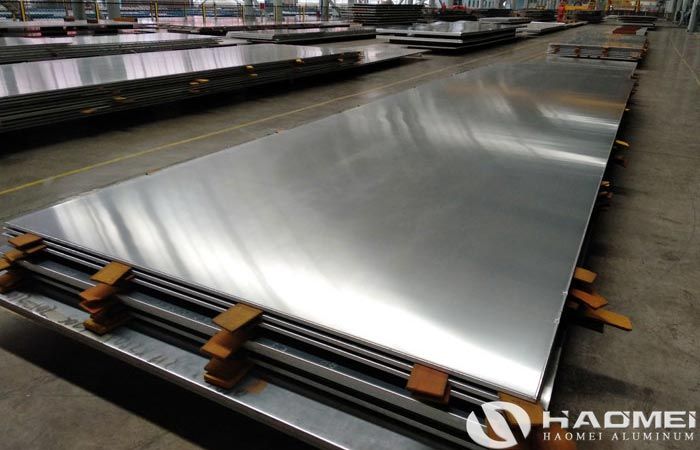
5083 aluminum-magnesium alloy belongs to the category of rust-resistant aluminum alloys and is a special alloy customized for the harsh working conditions of the ocean. Its core performance advantages are perfectly suited to the needs of ship deck use: the precise ratio of high magnesium and low iron in the alloy system gives the plate extremely strong resistance to chloride ion corrosion, effectively resisting pitting and spalling corrosion caused by seawater infiltration and salt spray deposition, fundamentally solving the problems of peeling, damage, and rust that may occur after long-term use of the deck. At the same time, the plate's tensile strength is stable at 310-420MPa, and it also has excellent fatigue resistance, capable of withstanding continuous pressure and impact loads from personnel passage, equipment placement, and cargo handling for extended periods without easily deforming or warping.
Unlike conventional aluminum plates, the 5083 aluminum plate for ship deck is made in the H116 quenched and tempered state, a key technical feature of ship deck materials. This state, through a precise temperature-controlled heat treatment process, completely eliminates residual stress within the plate, preventing stress cracking in the later stages of deck use. It also significantly improves the plate's low-temperature toughness, maintaining a stable mechanical structure even in polar and high-latitude low-temperature sea areas, preventing brittleness due to sudden temperature drops, perfectly meeting the needs of ship operations in all sea areas. Furthermore, 5083 aluminum plates exhibit excellent weldability, minimizing the formation of porosity and cracks during deck splicing and localized reinforcement construction. Their high flatness ensures compliance with the integrated deck paving requirements of ships.
Leveraging years of experience in marine grade aluminum materials, Haomei Aluminum has developed a dedicated production and quality control system for 5083 aluminum plates specifically designed for deck construction. High-purity aluminum ingots are used as raw materials, with strict control over impurity element ratios to guarantee uniform composition and stable performance. Precision hot rolling and grain refinement processes result in a denser surface layer, offering superior erosion and abrasion resistance compared to industry standards. All finished products undergo salt spray corrosion testing, tensile testing, and bending flaw detection to prevent substandard plates from leaving the factory, ensuring the long-term safety and stability of the deck structure.
Haomei 5083 aluminum plate for ship deck product have obtained certifications from all major international classification societies, including DNV, ABS, BV, LR, and CCS, fully complying with international shipbuilding regulations and meeting the standards for ship inspections, ship surveys, and exports for various domestic and international vessels. Compared to traditional steel decks, Haomei 5083 aluminum deck plates can achieve significant weight reduction, effectively reducing the overall weight of the ship and improving fuel economy. At the same time, it eliminates the need for frequent anti-corrosion coatings, greatly reducing the ship's later maintenance costs. It is the preferred material for the lightweight and high-end upgrade of modern ship decks.
 |

Haomei Aluminum CO., LTD.

|

|
Company name: Haomei Aluminum CO., LTD.. Tel : +86-18137889531 Whatsapp : +86-18137889531 E-mail : nydia@aluminumhm.com